



Ceramic cookware health risks
Is Ceramic Cookware Safe?
Yes, ceramic cookware is considered safe for everyday cooking when used correctly. Unlike traditional nonstick pans that may contain PTFE or PFOA, ceramic cookware uses a mineral-based coating that does not release toxic fumes under normal cooking temperatures. However, overheating or poor-quality coatings can reduce performance over time.
For consumers asking is ceramic cookware safe, current regulatory standards and material science research indicate that certified products are appropriate for routine home use.

PTFE vs ceramic coating
What Is Ceramic Cookware Made Of?
Ceramic cookware typically consists of an aluminum or stainless steel base coated with a silica-based ceramic layer. This coating is created using a sol-gel process that forms a hardened, smooth surface when cured at high heat.
Unlike traditional nonstick systems, ceramic coatings do not contain PTFE. They also do not use PFOA in their production process. That is why many products are labeled as:
- PFOA free cookware
- heavy metal free cookware
- lead free ceramic coating
- cadmium free cookware
- FDA compliant cookware
The coating is inorganic and mineral-derived, often positioned as a chemical free coating alternative to fluoropolymer surfaces.
PTFE vs Ceramic Coating: Key Differences Quick comparison
This summary highlights material and performance differences to help you understand why ceramic cookware behaves differently from traditional nonstick coatings.
| Feature | PTFE Coating | Ceramic Coating |
|---|---|---|
| Chemical base | Synthetic polymer | Mineral-based silica |
| PFOA | Modern versions are typically PFOA-free | Typically PFOA-free |
| Overheating risk | Can release fumes above ~500°F | Does not emit PTFE fumes |
| Durability | Longer-lasting nonstick | Wears down faster (care matters) |
| Heat tolerance | Moderate | Moderate to high |
Chemical base
PFOA
Overheating risk
Durability
Heat tolerance
What Is PTFE and What Is PFOA?
What Is PTFE? PTFE stands for polytetrafluoroethylene. It is a synthetic fluoropolymer used to create traditional nonstick coatings. PTFE provides a smooth, low-friction surface that prevents food from sticking and makes cleaning easier. Modern PTFE cookware is considered safe for everyday cooking when used within recommended temperature limits. However, when heated above approximately 500°F, PTFE can begin to break down and release fumes. This is why temperature control is important with fluoropolymer-based nonstick pans.
What Is PFOA? PFOA stands for perfluorooctanoic acid. It was historically used during the manufacturing process of some PTFE coatings. Concerns emerged because high exposure levels in industrial settings were linked to health risks.
Today, PFOA has been phased out of reputable cookware manufacturing. Modern nonstick pans labeled as PFOA free cookware do not contain this chemical.
Importantly, ceramic cookware does not use PTFE or PFOA in its coating system. This distinction is one reason consumers researching is ceramic cookware safe often compare PTFE vs ceramic coating materials when evaluating long-term safety.

Ceramic cookware health risks
Does Ceramic Cookware Release Toxins?
One of the most searched concerns is: does ceramic cookware release toxins?
Under normal stovetop conditions, ceramic coatings remain stable and do not emit toxic fumes. Unlike PTFE, ceramic does not degrade into fluorinated gases within standard cooking ranges.
However, ceramic cookware overheating safety is still important. Excessive temperatures, especially far above recommended safe cooking temperatures, may degrade the coating and reduce performance.
What typically happens at extreme heat:
- Surface loses nonstick effectiveness
- Coating may discolor
- Microscopic structural wear increases
Importantly, degradation affects performance more than toxicity.
So when consumers ask is ceramic cookware toxic, the evidence indicates that properly manufactured ceramic coatings do not present significant emission risks under normal use.

heavy metal free cookware
Ceramic Cookware Health Risks: What Does the Evidence Say?
The phrase ceramic cookware health risks often reflects precaution rather than documented harm.
Regulatory bodies such as:
- FDA
- EPA
- European Food Safety Authority
permit certified ceramic coatings for food-contact applications.
Risks may arise from:
- Extremely low-quality imports
- Lack of heavy metal testing
- Failure to comply with FDA compliant cookware standards
Reputable manufacturers test for lead free ceramic coating and cadmium free cookware compliance.
There is currently no strong scientific consensus indicating significant long-term health risks from certified ceramic cookware when used correctly.


Ceramic cookware overheating safety
Is Ceramic Cookware Safe at High Heat?
Many consumers researching is ceramic cookware safe are specifically concerned about high temperatures.
Ceramic coatings generally perform best below 450–500°F. Staying within safe cooking temperatures preserves coating longevity and ensures ceramic cookware overheating safety.
Best practices include:
- Avoid preheating empty pans
- Use medium heat instead of maximum
- Follow manufacturer guidance
While ceramic does not produce PTFE-style fumes, extreme heat shortens lifespan. In standard home cooking conditions, ceramic cookware is safe and stable.

The Truth About Ceramic Cookware Safety
Common Myths About Ceramic Cookware
Myth 1: Ceramic cookware contains hidden toxic chemicals
Certified products are tested for heavy metals and comply with food safety standards.
Myth 2: Ceramic cookware never wears out
Like all nonstick cookware, ceramic coatings gradually lose performance over time, but proper care can significantly extend their lifespan.
Myth 3: Ceramic is automatically safer than everything else
Safety depends on proper use and manufacturing quality.
Myth 4: All nonstick coatings are identical
PTFE vs ceramic coating systems differ chemically and thermally.
Modern ceramic cookware when manufactured to certified safety standards remains one of the safest nonstick cooking options available today.


Cook with Confidence: Choose Safer Ceramic Cookware
Ceramic cookware is one of the safest options available when used correctly and manufactured to certified standards. It does not rely on PTFE chemistry, does not contain PFOA, and remains stable under normal cooking temperatures. When you choose high-quality, tested products and follow recommended heat guidelines, ceramic cookware offers a reliable balance of performance, durability, and everyday safety.
If you're ready to upgrade your kitchen with cookware designed for safe, confident cooking, explore our certified ceramic cookware collection below.
Ceramic Cookware
-
 50% OFF
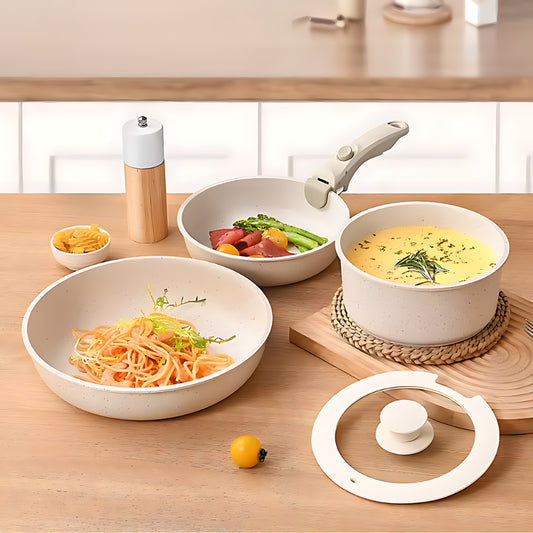
Gourmetific™ Cookware Set
Regular price $216.00 AUDRegular priceUnit price per$431.00 AUDSale price $216.00 AUDSpace Saving DesignHealthy Ceramic CoatingNaturally Non-Stick50% OFF -
 50% OFF
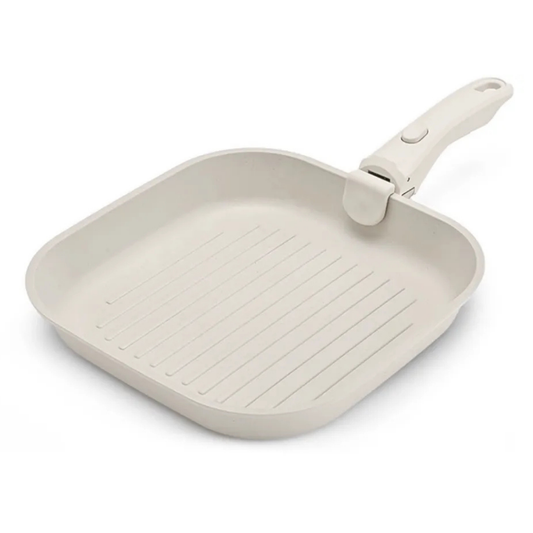
Gourmetific™ Grill Pan
Regular price $87.00 AUDRegular priceUnit price per$173.00 AUDSale price $87.00 AUDNaturally Non-StickSpace Saving DesignHealthy Ceramic Coating50% OFF -
 50% OFF
Gourmetific™ Holiday Bundle
Regular price $345.00 AUDRegular priceUnit price per$1,148.00 AUDSale price $345.00 AUD34-Piece All-In-One SetLimited Stock AvailableHealthy Ceramic Coating50% OFF -
 50% OFF
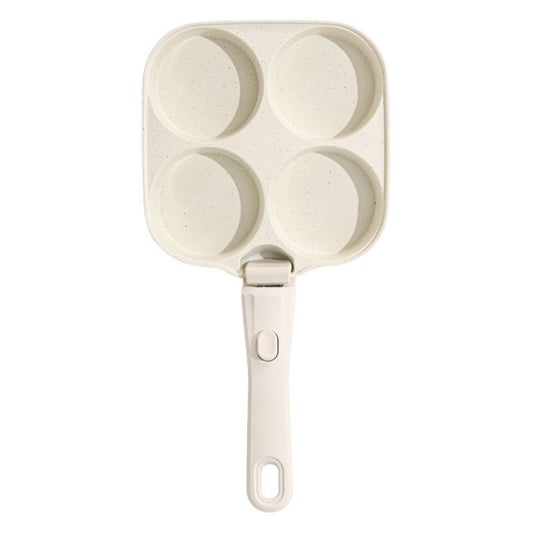
Gourmetific™ Breakfast Pan
Regular price $72.00 AUDRegular priceUnit price per$144.00 AUDSale price $72.00 AUDNaturally Non-StickSpace Saving DesignHealthy Ceramic Coating50% OFF

Frequently Asked Questions
Find answers to common questions about ceramic cookware.
Yes. Ceramic cookware is considered a safe choice for everyday cooking when used as directed. For best results, cook on moderate heat, avoid overheating an empty pan, and follow proper care instructions.
Ceramic can be a great option because it is designed for easy food release, often requires less oil, and is simple to clean. Many people also prefer ceramic cookware for its smooth cooking surface and everyday convenience.
Both can be good choices when used properly. Many people prefer ceramic-style cookware because it is made without PTFE and PFOA and supports lower-oil cooking. Using moderate heat and proper utensils helps keep any cookware performing safely.
Yes. Ceramic cookware is widely considered safe for home cooking when used correctly. Following recommended temperatures and avoiding harsh utensils helps keep the cooking surface in good condition.
Fully ceramic cookware is often considered a very safe option due to its simple material structure. If you want a convenient everyday set with a ceramic cooking experience, Gourmetific Cookware Set is a practical option for daily cooking and easy cleanup.
100% ceramic cookware is widely considered one of the safest and most non-toxic cookware options available. Because it is made from natural ceramic materials and free from PTFE, PFOA, and other synthetic coatings, it provides a clean and healthy cooking surface. If you are looking for safe and reliable ceramic cookware, you can explore our Ceramic Cookware to find high-quality options designed for healthy everyday cooking.
Yes. Ceramic coatings are considered safe when used properly. They are designed for everyday cooking and are marketed as PTFE-free and PFOA-free.
Ceramic cookware is made without PFOA. Many ceramic cookware brands highlight PFOA-free construction as a key feature.
Our ceramic pans are made without PTFE. Ceramic-style coatings are commonly chosen by people looking for a PTFE-free cooking surface.
If you want a ready-to-use set that covers multiple cooking needs in one purchase, the Gourmetific Holiday Bundle is a great option. It combines essential cookware pieces designed for everyday meals and special occasions.
